Updated on
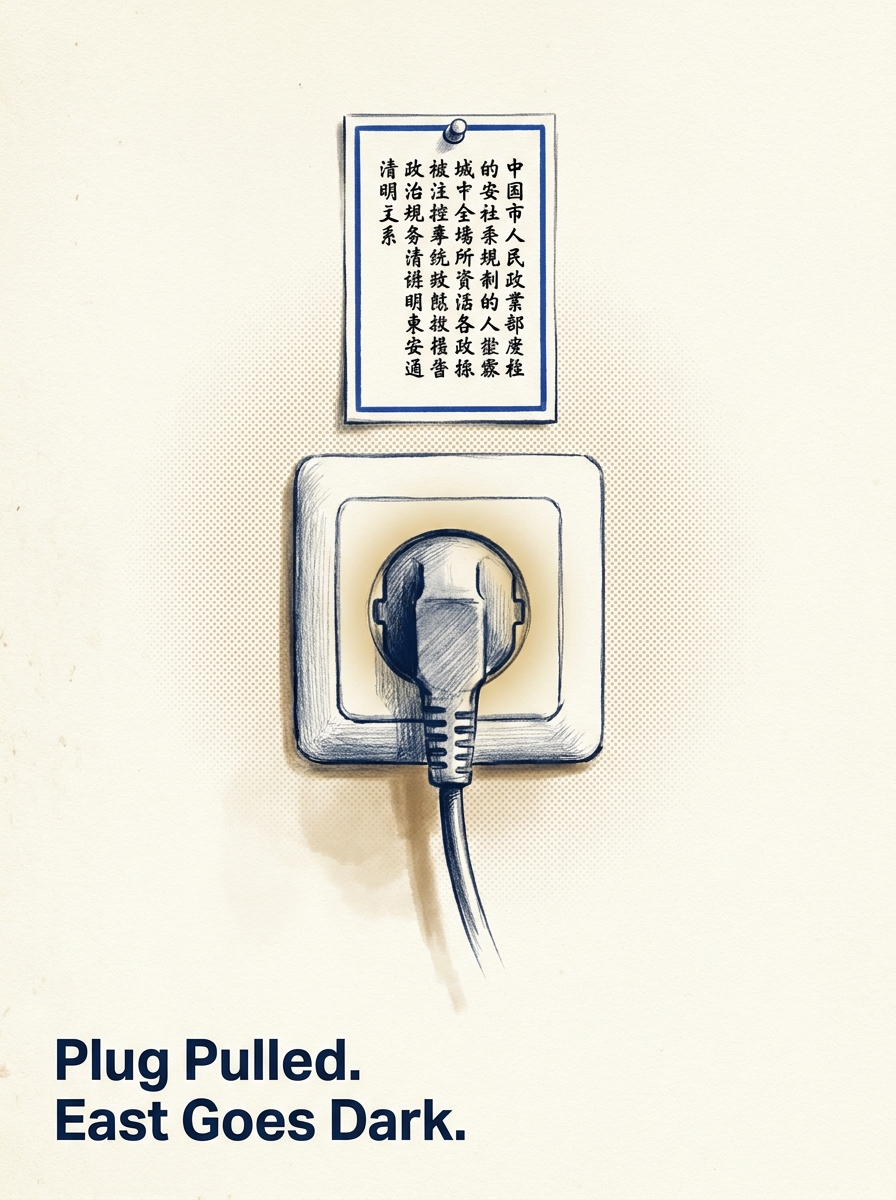
Binance, the world’s largest cryptocurrency exchange, has been under fire from US regulatory authorities in recent weeks. On March 27, the Commodity Futures Trading Commission (CFTC) sued Binance and its CEO, CZ, for allegedly offering unregistered cryptocurrency derivatives products to US customers. Just two days later, leaks emerged that suggested Binance had concealed its links to China, despite being forced to cease operations in the country after a government crackdown in 2017.
A few days after that, yet another class-action lawsuit was filed against Binance, CZ, and several other influencers, accusing them of promoting unregistered securities. Finally, on April 3, rumors began to circulate that Interpol had issued a red notice for CZ’s arrest. However, no public notice was found on Interpol’s website regarding CZ’s legal status.
All of these events suggest a broader effort by US authorities to exert greater control over the cryptocurrency industry and distance it from China. Given that Binance is both the largest cryptocurrency exchange in the world and has its roots in China, it is perhaps unsurprising that it has become the prime target for such regulatory action.
While it remains to be seen what will happen next, it is likely that there will be a lot more “FUD” (fear, uncertainty, and doubt) about Binance and the cryptocurrency industry in the coming weeks. As such, investors should be prepared for a potentially bumpy ride.
That said, it’s worth noting that Binance has not yet been found guilty of any wrongdoing, and CZ has denied all allegations against him. Furthermore, it’s possible that some of the regulatory pressure on Binance could be seen as a positive development for the broader cryptocurrency industry, as it may help to weed out bad actors and encourage greater transparency and accountability.
Overall, it’s important to stay informed about developments in the cryptocurrency industry and to approach investing in this space with caution. While the potential rewards can be significant, so too can the risks, especially in light of the current regulatory climate.